The Inner Life Of A Rescue Animal: Humor, Trauma, And Healing In Plain Sight
At first glance, Cooper, the Crafty Cat by Anita Comisky, reads like a witty, sharply observed animal memoir. Beneath the humor, however, lies a far more layered exploration of what it means to survive disruption and slowly rebuild a sense of safety. The book invites readers into the psychological interior of a rescue animal, not through overt commentary or sentimentality, but through behavior, pattern, and voice. In doing so, it offers a quietly sophisticated portrait of trauma and recovery that feels both emotionally authentic and deeply relevant to the real world.
Trauma Does Not Announce Itself
Trauma, whether human or animal, rarely presents itself in dramatic declarations. More often, it hides in vigilance, in routines that appear excessive, in an instinctive need to control space and timing. One of the book’s most perceptive achievements is its refusal to label these behaviors outright. Cooper is not introduced as “traumatized.” Instead, readers encounter a character who watches carefully, tests boundaries, and reacts strongly to perceived threats.
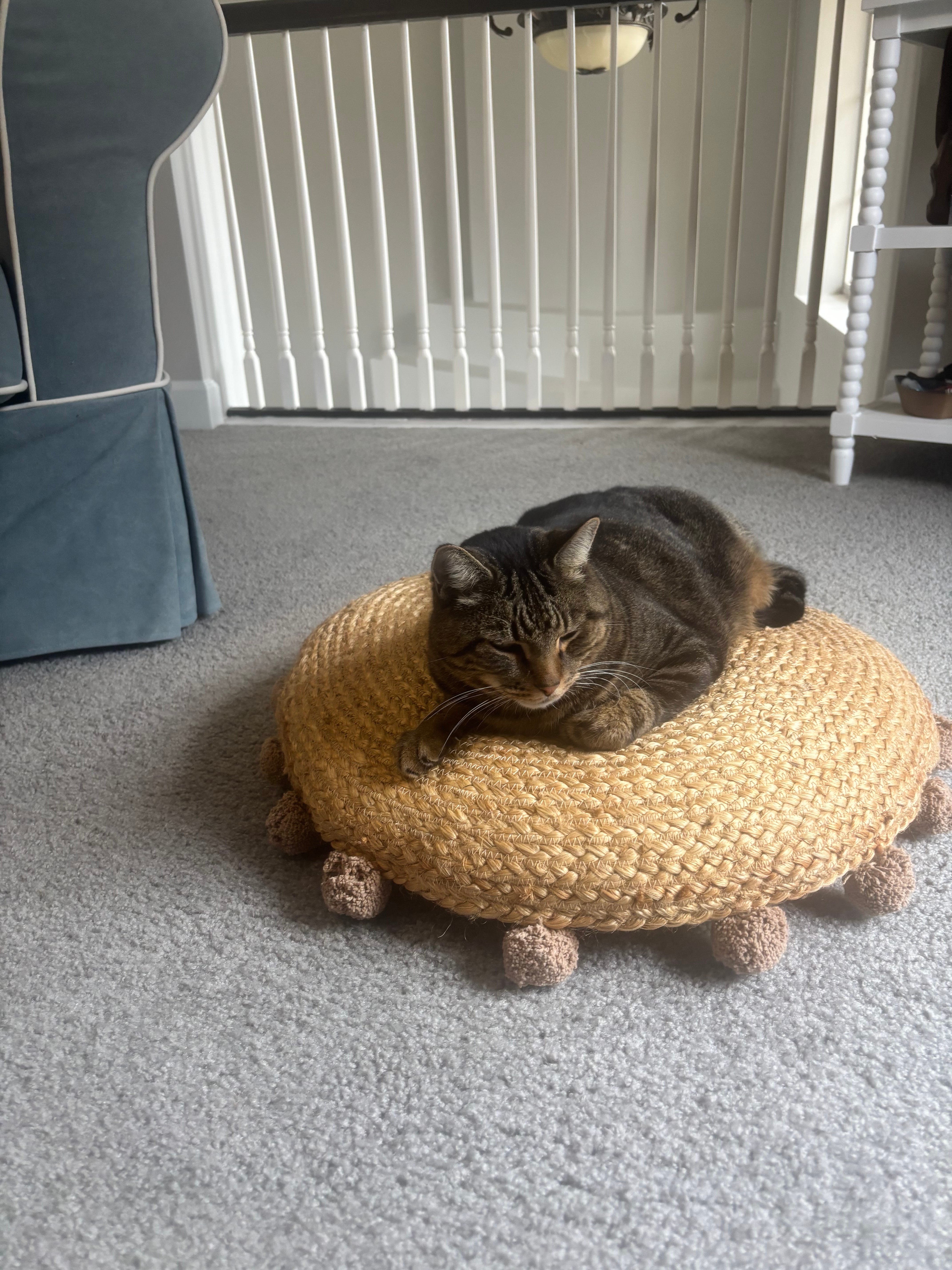
This restraint mirrors how trauma actually operates. It is not always visible, and it is frequently misunderstood as personality rather than protection. The book captures this distinction with precision, showing how an animal’s inner life is shaped less by memory as narrative and more by memory as instinct. Past instability lingers not as a story told aloud, but as a reflex that shapes present decisions.
Humor as a Survival Strategy
The humor that runs through the narrative is not ornamental; it is functional. Cooper’s wit operates as a buffer between vulnerability and exposure. By framing fear, uncertainty, and defensiveness through dry observation and exaggerated confidence, the book reflects a psychological truth: humor is often a survival strategy.
Rather than minimizing pain, this approach allows it to exist without overwhelming the reader. Humor becomes a way of maintaining dignity in the face of powerlessness. It also mirrors how many people, particularly those who have experienced loss or displacement, process difficult emotions. Jokes soften the edges of fear. Irony creates distance. Laughter becomes a form of control.
The book understands this instinct intuitively, using humor not to distract from trauma, but to carry it safely.
Healing Is Incremental and Nonlinear
Healing, in the world of the book, is not a straight line. There is no singular breakthrough moment when fear dissolves, and trust suddenly takes its place. Instead, progress appears in small, often reversible shifts. Comfort one day may give way to suspicion the next. Confidence builds, falters, and rebuilds again.
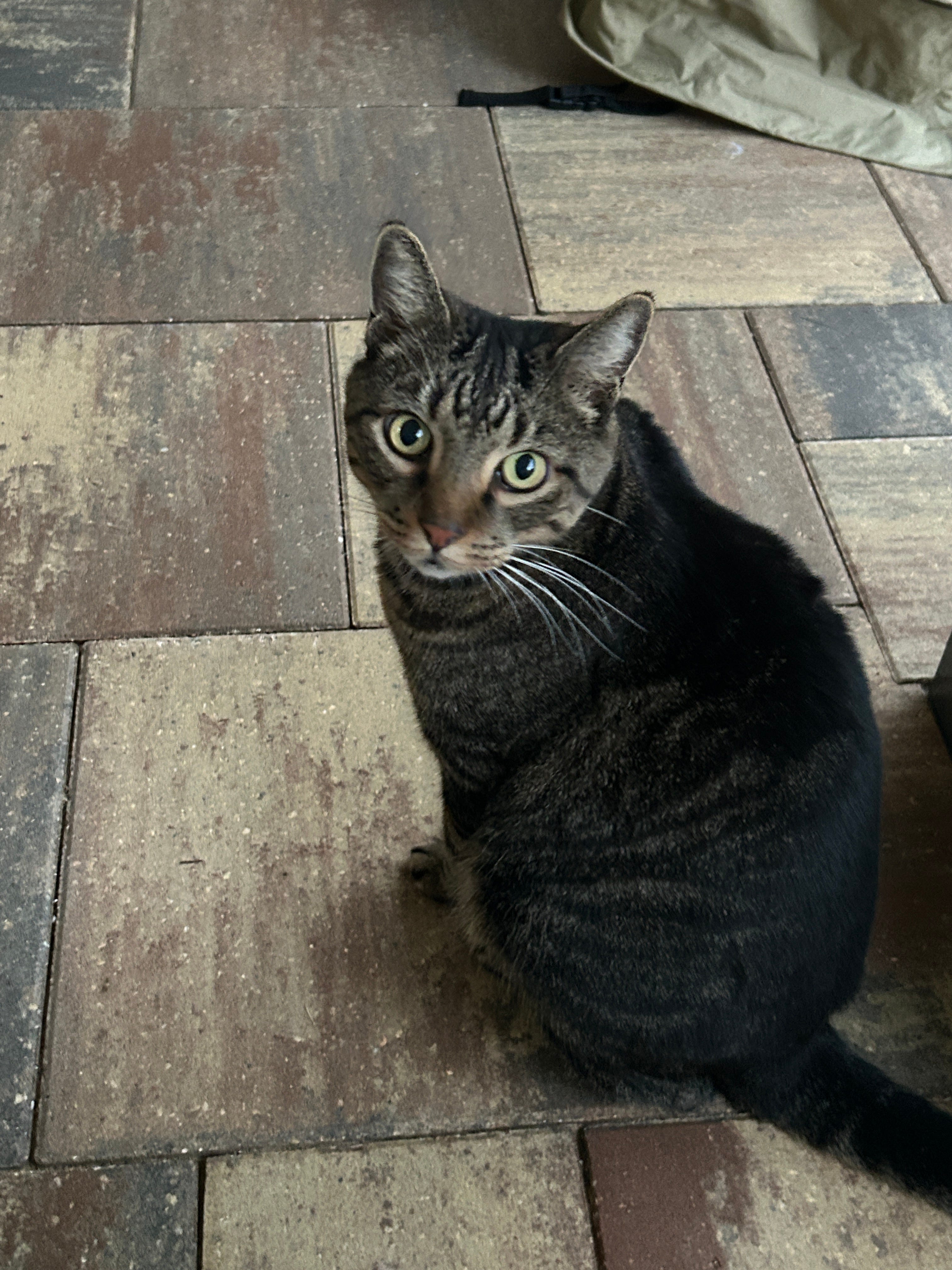
This portrayal aligns closely with psychological research on recovery, which emphasizes that healing is adaptive rather than definitive. The book respects this reality by allowing Cooper’s behavior to fluctuate without judgment. Moments of regression are not framed as failures; they are treated as part of the process.
What emerges is a depiction of healing that feels credible precisely because it is uneven. Safety is not declared; it is practiced, reinforced, and sometimes renegotiated.
Control as a Response to Uncertainty
A recurring theme throughout the narrative is Cooper’s insistence on control: over space, routine, and interaction. On the surface, this manifests as comedy. Beneath it, however, lies a recognizable response to uncertainty. When autonomy has once been removed, reclaiming control becomes a form of self-protection.
The book handles this theme with notable nuance. Control is not portrayed as dominance, but as regulation. Cooper’s insistence on timing, placement, and predictability reflects a need to make the world legible again. In a sense, control becomes the scaffolding upon which trust can later rest.
This insight extends beyond animal behavior. Many people who have experienced upheaval adopt similar strategies, often without conscious awareness. The book’s ability to surface this dynamic without explicitly naming it is one of its quiet strengths.
The Role of Consistency in Emotional Repair
If trauma disrupts a sense of predictability, healing restores it through repetition. One of the book’s most subtle achievements is its emphasis on consistency as a healing force. Meals arrive when expected. Spaces remain stable. Reactions become familiar. Over time, these repetitions recalibrate the nervous system.
Importantly, the humans in the story are not portrayed as flawless. They make mistakes, misread signals, and learn through trial and error. Yet their consistency, not perfection, becomes the foundation of trust. This distinction is crucial. The book suggests that healing does not require ideal conditions, only reliable ones.
In a broader context, this mirrors how trust is rebuilt in any relationship following disruption. Stability, once lost, must be demonstrated rather than promised.
Observation as Emotional Intelligence
Cooper’s defining strength is not boldness but attentiveness. He notices patterns, shifts in tone, and subtle changes in environment. This observational quality functions as emotional intelligence, allowing him to assess risk and opportunity without unnecessary exposure.
The book elevates observation as a legitimate form of agency. Rather than framing stillness or caution as weakness, it presents them as adaptive intelligence. This reframing feels particularly resonant in a culture that often equates healing with visible confidence or expressiveness.
By honoring observation, the narrative validates quieter paths to recovery, those built on awareness rather than assertion.
Why This Story Feels Grounded in Reality
What ultimately distinguishes the book is its refusal to simplify recovery into a moral arc. There is no lesson imposed, no tidy resolution offered for comfort’s sake. Instead, readers are invited to witness an interior life unfolding in real time, shaped by humor, instinct, and incremental trust.
This approach allows the story to resonate far beyond its surface charm. It speaks to anyone who has had to rebuild safety after disruption, who understands that healing is not about erasing the past but learning to live alongside it.
In revealing the inner life of a rescue animal with such restraint and clarity, the book offers something rare: a portrait of trauma and healing that feels honest, intelligent, and quietly profound, visible not in declarations, but in the everyday choices that signal survival turning, slowly, into security.


Comments
Post a Comment