What A Crafty Cat Teaches Us About Belonging, Trust, And Second Chances
Belonging is rarely instantaneous. It unfolds in pauses, in watchful silence, in the careful testing of boundaries. That truth sits quietly at the heart of Cooper, the Crafty Cat by Anita Comisky, a story that uses humor and feline bravado to explore something deeply human: how trust is built after displacement, and how second chances are earned rather than granted. At first glance, the book presents itself as a playful animal memoir. Look closer, and it reveals a thoughtful meditation on adaptation, emotional safety, and the slow work of finding one’s place in an unfamiliar world.

Belonging Is Learned, Not Assumed
Belonging is often misunderstood as something that happens once the door closes behind us. We equate home with arrival. Yet the book quietly dismantles that assumption. Cooper does not step into his new life ready-made or fully convinced. He observes. He measures. He withholds. His hesitation mirrors a reality many people recognize but rarely articulate: belonging is not about location, it’s about permission, agency, and choice.
What makes this portrayal effective is its restraint. Rather than announcing emotional milestones, the story allows belonging to surface through behavior, routine patrols, preferred resting places, and rituals that signal ownership without dominance. These moments echo how humans acclimate to new environments, especially after loss or disruption. We test the ground before we settle our weight. We listen before we speak. The book respects that process, showing belonging as a negotiation rather than a declaration.
Trust Builds in Ordinary Moments
Trust, in the world of the book, does not arrive through grand gestures. It forms in repetition and reliability. Food bowls refilled without fanfare. Doors opened and closed without threat. Hands that approach but do not insist. These small, consistent actions accumulate into something sturdier than reassurance ever could.
This approach feels strikingly contemporary. In an era defined by instability, social, economic, and emotional trust is no longer assumed. It must be demonstrated. The book captures this modern sensibility with precision, portraying trust as something that grows sideways rather than upward. It is earned in silence, maintained through predictability, and broken easily if taken for granted.
What resonates most is how the narrative avoids sentimentality. Trust is not romanticized as unconditional. It is portrayed as conditional, fragile, and deeply rational. Cooper trusts not because he is told to, but because the evidence supports it. That distinction gives the story credibility and allows readers to recognize their own experiences reflected back with honesty.
Second Chances Are About Mutual Risk
Stories about second chances often frame them as acts of generosity, one party giving, the other receiving. This book quietly reframes that dynamic. Second chances are mutual risks. Adoption, companionship, and commitment require vulnerability on both sides of the equation.
The humans in the story are not saviors; they are participants. They adapt their routines, recalibrate expectations, and learn to read signals that are not spoken aloud. In doing so, the book highlights a subtle but powerful idea: offering a second chance is not an act of control, but an act of humility. It requires accepting uncertainty and relinquishing the illusion of mastery.
This perspective aligns closely with real-world experiences of rebuilding, after loss, after change, after moments that fracture identity. Second chances are not clean resets. They are layered over memory, informed by caution, and shaped by previous outcomes. The book respects that complexity, making its emotional insights feel earned rather than idealized.
Humor as Emotional Armor
One of the book’s most effective strategies is its use of humor, not as decoration, but as structure. Humor functions as emotional armor, allowing difficult truths to be expressed without heaviness. Cooper’s wit is sharp, observant, and self-aware. It creates distance just long enough for readers to engage without retreating.
This matters because stories about vulnerability often risk tipping into excess. By maintaining a tone that is playful but controlled, the narrative invites reflection without demanding it. Humor becomes a bridge rather than a distraction, carrying serious ideas across an accessible surface.
In a broader sense, this mirrors how many people navigate emotional exposure in real life. We joke to soften edges. We narrate discomfort with irony. The book captures this instinct accurately, reinforcing its psychological realism even as it entertains.
Observation as a Form of Power
Cooper’s defining trait is not bravery or rebellion; it is attention. He watches first. He waits. In a world that often celebrates immediacy and reaction, the book elevates observation as a form of quiet power. Knowledge comes not from dominance, but from patience.
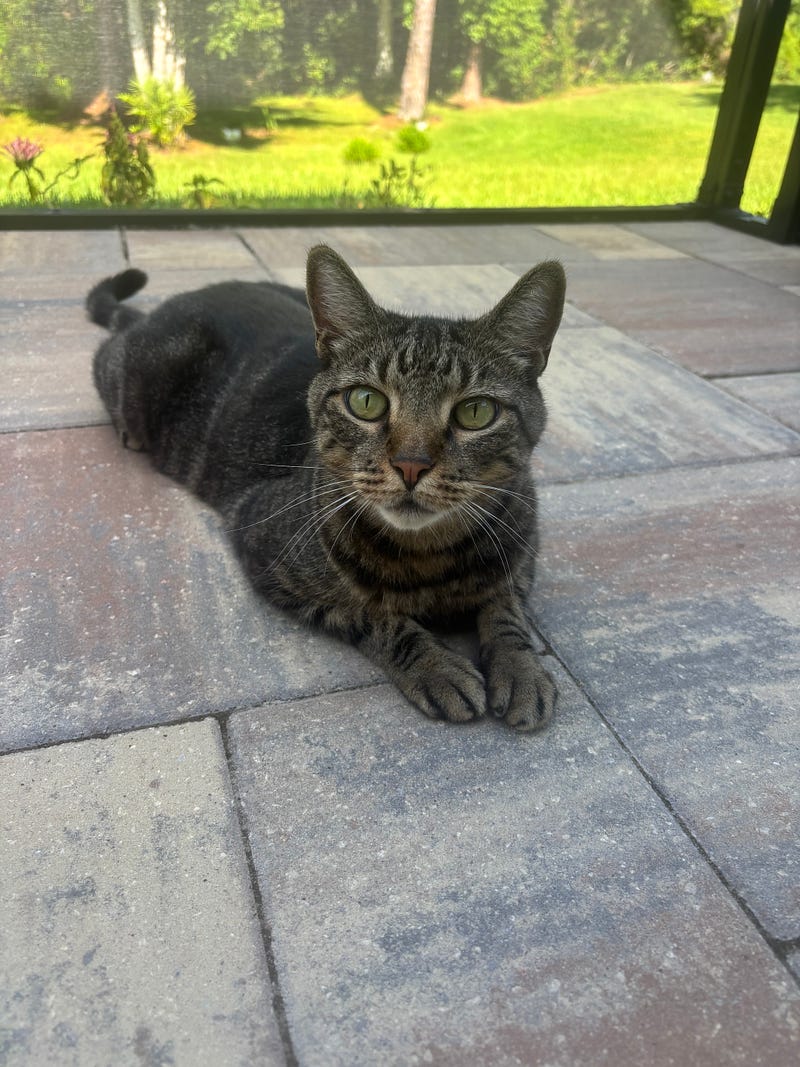
This framing feels especially relevant today. In both personal and professional spheres, those who listen closely often adapt more successfully than those who rush to assert control. The book’s feline perspective strips that lesson of jargon and presents it in its simplest form: see before acting. Understand before claiming.
By centering observation, the story suggests that belonging and trust are not achieved through force, but through awareness. It is a subtle lesson, delivered without instruction, and therefore more likely to linger.
Why This Story Resonates Beyond the Page
What ultimately makes the book compelling is not that it is about a cat, but that it is about negotiation, between past and present, safety and risk, independence and connection. These tensions define modern life. The animal lens does not dilute them; it clarifies them.
In presenting belonging as earned, trust as built, and second chances as shared responsibility, the story aligns closely with how people actually live and heal. It avoids moral shortcuts. It resists easy conclusions. And in doing so, it earns its emotional authority.
Available now on Amazon and Barnes & Noble
Amazon: https://a.co/d/1hyfcn8
Barnes and Noble: https://www.barnesandnoble.com/w/cooper-the-crafty-cat-anita-comisky/1148574052?ean=9798349635830


Comments
Post a Comment